CUPID-seq
CUPID-seq (Containerized Dual-Index Demultiplexing) is a containerized pipeline for demultiplexing dual-indexed 16S amplicon sequencing data. By packaging the analysis in Docker and Singularity/Apptainer images, CUPID-seq eliminates dependency installation headaches and ensures highly reproducible results across computing environments.
Key Features
- Containerized — runs in Docker or Singularity/Apptainer with minimal dependency setup
- Reproducible — identical environments across local machines and HPC clusters
- Flexible — supports 13 pre-built 16S primer/index sets plus custom primers
Pipeline Overview
The CUPID-seq pipeline processes paired-end amplicon reads through the following stages:
- Input validation — checks file paths, naming conventions, and samplesheet/fastqlist consistency
- Demultiplexing — separates reads by dual inline indexes (round 1 + round 2 barcodes)
- Trimming — removes index, spacer, and primer sequences from demultiplexed reads
- Grouped output — organizes trimmed reads into user-defined group subdirectories
Read Structure
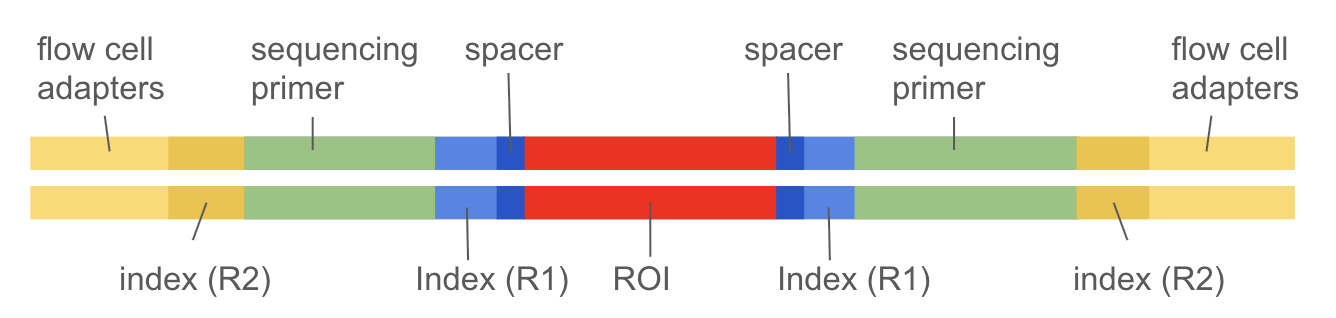
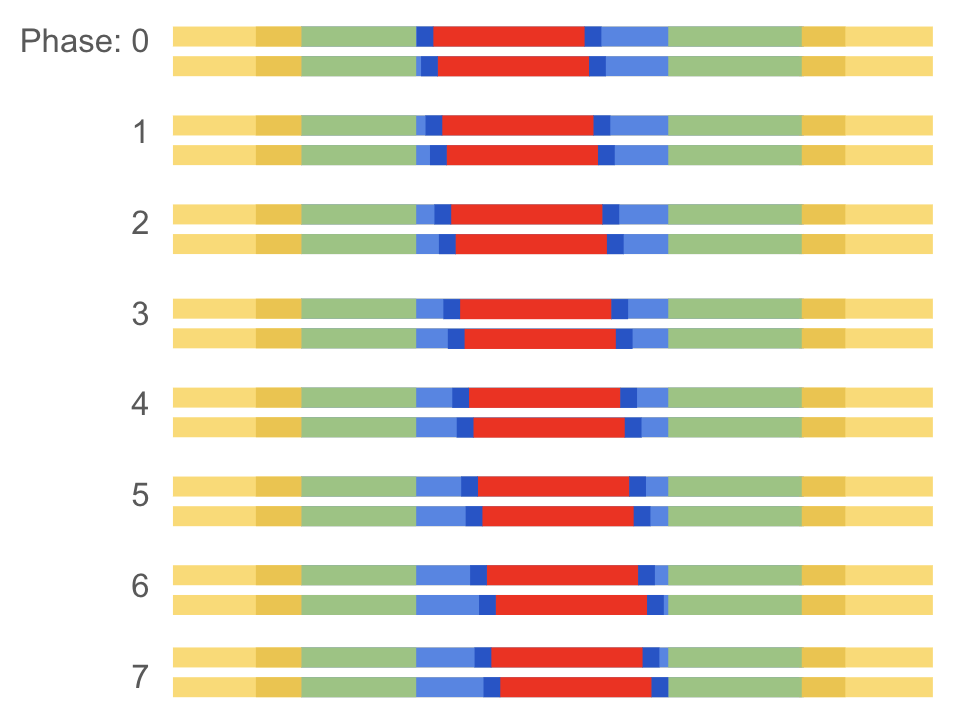
The dual-index primer design uses variable-length phased indexes on both read 1 and read 2:
Supported 16S Regions
Pre-built index files are provided for the following regions. The default is V4.
| Region | Index File |
|---|---|
| V1 - V2 | V1-V2_index_for_demux.txt |
| V1 - V3 | V1-V3_index_for_demux.txt |
| V2 - V3 | V2-V3_index_for_demux.txt |
| V3 | V3_index_for_demux.txt |
| V3 - V4 | V3-V4_index_for_demux.txt |
| V4 | V4_index_for_demux.txt (default) |
| V4 - V5 | V4-V5_index_for_demux.txt |
| V5 | V5_index_for_demux.txt |
| V5 - V7 | V5-V7_index_for_demux.txt |
| V6 | V6_index_for_demux.txt |
| V6 - V7 | V6-V7_index_for_demux.txt |
| V6 - V8 | V6-V8_index_for_demux.txt |
| V7 - V9 | V7-V9_index_for_demux.txt |
These files are located in the other_index_for_demux/ directory of the repository.
Next Steps
- Getting Started — install a container image and run your first analysis
- Configuration — detailed reference for config.yaml, input files, and custom primers
- Troubleshooting — common issues and solutions